

NW Injury Law Center

Scappoose Car Accident Lawyer

Most car accident claims out of Scappoose start on the same stretch of road: U.S. Highway 30, the two-lane corridor that carries commuters, log trucks, and weekend traffic between Portland and the Columbia County towns to the north. A wreck here rarely looks like a parking-lot fender-bender. Head-on crashes, passing-zone collisions, and wrecks involving commercial vehicles tend to happen at higher speeds and leave more serious injuries, all while you're fielding calls from an insurance adjuster you never agreed to talk to. NW Injury Law Center's Scappoose injury attorneys handle the claim so you can focus on recovering, whether the crash happened on Highway 30, in town, or on the roads out toward Sauvie Island.

The Two-Lane Reality of Highway 30

Highway 30 connects Scappoose to Portland, about 20 miles and a 30-minute drive south along the Willamette and Columbia rivers, then continues north through St. Helens toward Rainier. For long stretches of that route, it narrows to one lane in each direction with only occasional passing lanes, a layout shared by commuters, recreational traffic, and log and freight trucks headed to and from the mills and industrial yards along the corridor.

That mix, a narrow two-lane roadway, limited passing zones, and drivers trying to get around slower trucks or farm equipment, is exactly the setup that produces head-on collisions. Local news outlets have reported multiple fatal crashes on this stretch of Highway 30 in recent months where a vehicle crossed the center line into oncoming traffic, including at least one case involving a commercial dump truck. If you were hurt in a wreck like this, the physics alone tell you the injuries are likely serious, and the legal questions about who crossed the line, and why, are rarely simple.

Meet the NW Injury Car Accident Attorneys

When you've been hurt in a car accident, you need a legal team that understands your situation. Our car accident lawyers at NW Injury Law Center are dedicated to fighting for your rights.

Don Jacobs, attorney

Don Jacobs

Attorney

With over 40 years of experience, Don Jacobs is a respected personal injury attorney. He founded NW Injury Law Center in 2002. Don is licensed to practice in all Washington and Oregon state and federal courts. Don has been a leader in the legal community, serving on the boards of both the Oregon and Washington State Trial Lawyers Associations. He was president of the Oregon association from 2008 to 2009. His commitment has earned him multiple awards from both associations. Known for his skills in litigation, Don has won cases with verdicts of over a million dollars in both states. He also taught personal injury law at Clark College.
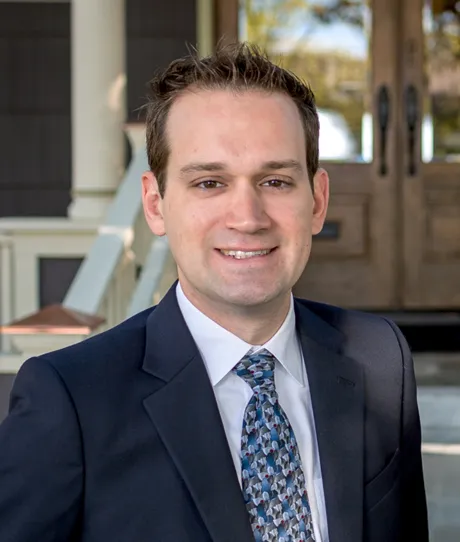

Jesse Jacobs, attorney

Jesse Jacobs

Attorney

Jesse Jacobs is a passionate advocate for accident victims. A Vancouver native, Jesse graduated with high honors from Seattle University School of Law and is licensed in both Washington and Oregon. Before joining NW Injury Law Center, Jesse represented personal injury clients in Seattle. He is an active member of the Washington State Association of Justice, showing his commitment to helping the injured. Jesse has a diverse background, including living and teaching in China for three years. He is happy to be back in his hometown of Vancouver, serving his community.

Common Ways These Crashes Happen

Not every Scappoose car accident happens out on the open highway. In town, along the shorter stretches with more driveways, side streets, and stop-and-go traffic, left-turn collisions and rear-end crashes are more common, especially where a driver misjudges a gap or follows too closely. Out on the highway itself, the risk shifts toward passing-zone crashes, where a driver pulls out to get around slower traffic and misjudges the closing speed of an oncoming vehicle, and toward sideswipe or head-on impacts when a driver drifts, gets distracted, or falls asleep on a long, straight stretch.

Both types of crash can total a vehicle and leave you with real injuries, but they call for a different investigation. A town intersection has signage and often nearby security cameras; a rural highway crash may come down to skid marks, debris fields, and whatever a passing driver saw before it disappears.

When a Log Truck or Commercial Vehicle Is Involved

Highway 30 sees regular log truck and freight traffic tied to the timber and industrial operations around Columbia County, and a crash involving one of these vehicles is rarely as simple as a crash between two passenger cars. There may be a trucking or logging company to notify, a commercial insurance policy with different coverage limits, and cargo, timber, equipment, or freight, that shifted or wasn't properly secured. Evidence that matters in these cases, like a truck's maintenance records, load manifest, or the driver's hours before the crash, can be routine business records that a company isn't required to keep indefinitely.

If a commercial vehicle was involved in your crash, getting a preservation request out quickly protects your claim before that evidence is gone.

Getting Care After a Crash on a Rural Highway

Scappoose Fire District provides local fire and ambulance response, but for a seriously injured crash victim, the nearest Level I trauma centers, Legacy Emanuel and OHSU Hospital, are both about 20 miles away in Portland. For time-critical injuries, that can mean a Life Flight helicopter instead of a ground ambulance. None of that is a reason to skip care or delay treatment; it's a reason to make sure your medical records clearly connect your injuries to the crash from the first call for help onward.

Insurance adjusters look for gaps between the crash and treatment, and a transport by air or a transfer between facilities can create paperwork gaps that have nothing to do with how hurt you actually were. Your attorney can help make sure that record tells the full story.

The Sauvie Island and Multnomah Channel Stretch

Between Portland and Scappoose, Highway 30 runs past the Wapato Bridge, the only crossing of the Multnomah Channel onto Sauvie Island. Sauvie Island draws an estimated 1.5 million visitors a year for its farms, beaches, and pumpkin patches, and the island runs a seasonal parking permit program for its busiest summer weekends and holidays. That means this section of highway carries a mix other stretches don't: regular commuters, farm equipment, and day-trippers who may be unfamiliar with the road, checking a map, or slowing suddenly for a turn they almost missed.

A crash in this stretch often involves an out-of-area driver, which can complicate notifying their insurer and figuring out where a claim needs to be filed if it doesn't settle.

Uninsured and Underinsured Drivers

Rural highway crashes raise a problem that's less common at a city intersection: what happens when the at-fault driver doesn't have insurance, or doesn't have enough of it to cover your injuries. On a road like Highway 30, with fewer witnesses and longer stretches between exits, it can also take longer to identify a driver who leaves the scene.

If the other driver was uninsured, underinsured, or unidentified, your own policy's uninsured/underinsured motorist coverage may be the path to compensation. That's a claim against your own insurer, and insurers don't always make it easy, so it helps to have an attorney who knows how to push back.

Oregon's Car Accident Laws in Scappoose

Scappoose sits in Columbia County, Oregon, so a car accident claim from a Highway 30 crash follows Oregon law, not Washington's. Two rules matter most. Under ORS 12.110(1), you generally have two years from the date of the crash to file a lawsuit for your injuries. And under Oregon's modified comparative fault rule, ORS 31.600, you can still recover damages even if you were partly at fault for the crash, as long as your share of fault isn't greater than the combined fault of everyone else involved; your award gets trimmed in proportion to your share of the blame. Cross the 50% line, though, and Oregon law wipes out the recovery entirely — exactly why insurers push hard to shift blame onto you after a highway crash with no independent witnesses.

How We Build Your Highway 30 Case

Our attorneys have handled Pacific Northwest crash claims for more than 45 years, and a Scappoose case usually starts the same way: getting to the scene evidence, the police report, and any nearby camera footage before it disappears, and identifying every insurance policy that might apply, including the at-fault driver's, any commercial carrier's, and your own uninsured motorist coverage. From there, we deal directly with the adjusters so you're not negotiating your own medical bills from a hospital bed.

A free consultation costs you nothing, and we don't get paid unless we win your case. See our full car accident representation across the communities we serve in Southwest Washington and Northwest Oregon.

Questions & Answers

Scappoose Car Accident FAQs

The crash happened outside city limits. Does that change my case?
Not the underlying law, since Oregon's rules apply the same way whether the crash happened inside Scappoose or out on the highway. What does change is the investigation: a rural crash scene often depends more heavily on skid marks, vehicle data, and prompt witness statements, since there's less security camera coverage than you'd find at a city intersection.
What if I was hit by a log truck or other commercial vehicle?
These claims usually involve the driver's insurance and a separate commercial policy carried by the trucking or logging company, and sometimes a cargo or maintenance issue as well. We move quickly to request that the company preserve maintenance and trip records before they're routinely discarded.
How long do I have to file a claim after a Highway 30 crash?
Oregon's statute of limitations, ORS 12.110(1), generally gives you two years from the date of the crash to file a lawsuit for your injuries. Insurance negotiations can run past that deadline if you're not careful, so it's worth talking to an attorney well before the two years are up.
Can I recover compensation if I was partly at fault for the crash?
Yes, as long as your share of fault isn't more than half. Under ORS 31.600, Oregon's modified comparative fault rule, whatever percentage of fault falls on you comes out of your damages, and the only way to lose the claim entirely is to be found more than 50 percent at fault.
What if the other driver didn't have insurance?
You can typically pursue a claim under your own policy's uninsured or underinsured motorist coverage. That's a claim against your own insurance company rather than the other driver's, and it's worth having an attorney involved from the start.

Client Reviews

What Our Client Had to Say

5 out of 5 stars
Don and the staff made me feel they really cared about me and were helpful with all of my questions. I would refer anyone who needs a an injury lawyer to Don at NW Injury Law Center.
Aileen Gillespie

Contact Our Car Accident Lawyers for a Free Consultation in Scappoose

Contact us
